
In Italy, wine and travel go hand-in-hand. Many equate wine tourism with destinations like Tuscany and Veneto, but I recommend immersing yourself in one of Italy’s most revered – if elusive–wine regions. I’m talking about Barolo and Barbaresco in Piedmont, a region we’ll explore in this Le Langhe Travel Guide.


Bordering France and Switzerland, Piedmont is Italy’s second-largest region and famously home to poignant, noble wines, and rich, savory foods. Most wineries are family-owned and you’ll often meet members of the family at your wine tastings—pouring your wines. This also means you should book appointments in advance. The Piemontesi are dedicated to maintaining the beauty of the landscape and limiting development in this UNESCO-protected area. Therefore, you’ll rarely spot tour buses and most hotels have under 10 rooms.
All of this means the area’s raw beauty is protected and preserved for an unforgettable, local experience. How do you plan a trip to such a serene slice of wine heaven? First, let’s get the lay of the land.
Introducing Piedmont
- Piedmont wine region: Piedmont produces more DOCG wines than any other Italian region—a top wine classification in the country. And it is often used interchangeably with Barolo. Note that Barolo is a small section of the whole Piedmont region.
- Langhe: The neighboring wine zones of Barolo and Barbaresco collectively make up the Langhe wine area. This area is famous not only for its wine but also cheeses and white truffles. The Langhe was inscribed on UNESCO’s World Heritage list in 2014.
- Roero: Langhe’s lesser-known wine-making area sits across the Tanaro River from Barbaresco. Don’t miss Roero’s high-value nebbiolo wines and the area’s top white wine, arneis. Once completely covered by the sea, Roero’s sandy soils give its nebbiolo wines more finesse and elegance. This makes them palatable when they’re younger, so drink your Roero nebbiolo wines while your Barolo and Barbaresco age.
- Monferrato: Located nearby, Monferrato is best known for Moscato d’Asti, a frizzante dessert wine, as well as the region’s most planted variety, barbera. Easy-drinking, fruity barbera and refreshing Moscato d’Asti wines make a welcome palate cleanser after the rich, tannic nebbiolo wines. Work this part of Piedmont into the trip after the more intense nebbiolo exploration.
- Alba, Italy: Langhe’s primary wine town, Alba, lies about 20 to 30 minutes between Barolo and Barbaresco. The city of 32,000 people comes alive each October and November during the area’s annual International Alba White Truffle Fair.
- Turin, Italy: The elegant capital of Piedmont, Turin is an important business and cultural center. In the 16th century, Turin was the capital of the Duchy of Savoy and later, the first capital of the Kingdom of Italy from 1861-1865. Today it is home to royal residences, Italy’s automotive industry, and an impressive Egyptian Museum. Turin lies about 50 km / 32 miles from Barbaresco and Barolo.
Fun Fact: Barolo and Barbaresco are the biggest draws to the Piedmont wine region, but they only make up about 3% of the region’s total wine production.
When to Visit the Langhe
Key Months
- High Season: July, September, October, and November
- Mid Season: April, May, June, August, and December
- Low Season: January, February, and March
Key Dates
- International Alba White Truffle Fair: One of Italy’s most renowned food festivals, the annual White Truffle Fair runs from October to December. Everything in the area books up in advance, so try to book lodging, activities, and even dining 3 to 6 months ahead of your visit.
- Vinum: Alba’s annual spring wine festival features wines across the Piedmont region. The event takes place during the last weekend of April and the first weekend of May.
- Collisioni Festival: The region’s biggest music festival takes place in July with international musicians playing in the center of the historic villages of Barolo and Alba.
Where to Stay in the Langhe


The Langhe is a region of rolling vineyards, hilltop villages and small country roads, so choosing where to stay can make a big difference to your trip. Alba is the most convenient base, with plenty of restaurants, wine bars and shops within walking distance, plus easy access to both Barolo and Barbaresco. It’s also a good choice if you’re arriving by train.
For a more countryside-focused stay, look at La Morra, Barolo or Castiglione Falletto, where you’ll find beautiful vineyard views and easy access to some of the region’s best wineries. La Morra is particularly lovely, with a lively village center and sweeping views across the hills. Serralunga d’Alba is another excellent option if you’re looking for a quiet wine-country escape.
We recommend renting a car to explore the region, especially if you’re planning winery visits or staying outside the larger towns.
Rivetto Suites
For travelers who prefer staying in town, Rivetto Suites offers four stylish apartments in Alba’s historic center. Owned by the Rivetto family, who have been making wine in Piedmont since the early 1900s, the apartments combine the independence of a private residence with a central location. You can spend your evenings exploring Alba’s restaurants and wine bars on foot, then arrange guided winery visits in the countryside.
Corte Gondina Boutique Hotel
Set in the medieval village of La Morra, Corte Gondina is a beautifully restored family residence with 14 rooms, a lovely garden and an outdoor swimming pool. There’s also a small spa with a sauna and Turkish bath, plus a 19th-century wine cellar converted into a cozy lounge bar. It’s an ideal base for exploring Barolo and the surrounding vineyards, with La Morra’s restaurants and wine shops just a short walk away.
Cascina Meriame
If you’ve come to the Langhe for the wine, it’s hard to beat staying at a working vineyard. Tucked among the vines of Serralunga d’Alba, Cascina Meriame is run by Luisella and Gianpaolo, who also own the Paolo Manzone winery on the property. It’s a lovely choice for experiencing the quieter side of Piedmont, with wine tastings on your doorstep and the surrounding Barolo villages a short drive away.
Scarpa Villas
For a wine-country escape with family or friends, these four villas owned by the Scarpa winemaking family offer plenty of space among the vineyards. Each has its own kitchen, indoor and outdoor dining areas and temperature-controlled wine cabinets, while a shared outdoor pool makes the most of the countryside setting. The villas can be booked individually or together, accommodating up to 40 guests.
Villa Vitae
Overlooking the vineyards of Castiglione Falletto, Villa Vitae offers six elegant apartments inspired by historical figures connected to the Langhe. Expect classic furnishings, private outdoor spaces and fully equipped kitchens, with a swimming pool overlooking the surrounding countryside. The apartments range from one-bedroom retreats to larger two-bedroom suites, making this a particularly good option for couples, families or friends traveling together.
Hotel Langhe
Just outside Alba’s historic center, Hotel Langhe occupies a renovated farmhouse surrounded by greenery. It’s a relaxed alternative to staying right in town, with a garden for enjoying a glass of local wine and an outdoor swimming pool for warmer days. Guests can also borrow bicycles to explore Alba and its surroundings. A good choice for travelers who want a peaceful base without being too far from the town’s restaurants and shops.

Best Wineries in Barolo and Barbaresco
Vietti
In the hilltop village of Castiglione Falletto, Vietti is one of Barolo’s celebrated producers. Its guided experiences range from classic cellar tours and tastings to walks through the Scarrone, Rocche and Villero vineyards, giving visitors a closer look at the differences between individual Barolo sites. It’s an excellent choice for anyone wanting to understand the region’s wines beyond the tasting glass.
Ceretto
The Ceretto family has been producing wine in the Langhe since the 1930s, but its interests extend well beyond the vineyards. At the Monsordo Bernardina estate outside Alba, tastings take place in a striking setting featuring L’Acino, a futuristic glass pavilion overlooking the vines. The family also commissioned La Morra’s colorful Barolo Chapel, created by artists Sol LeWitt and David Tremlett. A particularly memorable stop for travelers interested in contemporary art as much as wine.
Aurelio Settimo
A small, family-run winery in La Morra, Aurelio Settimo produces Barolo from seven hectares of vineyards, including the prized Rocche dell’Annunziata cru. The estate has been in the family since 1943 and is now run by Aurelio’s daughter, Tiziana. Unlike many wineries, the vineyards are directly on-site, so tastings can include a walk among the vines when weather permits. Appointments required.
Produttori del Barbaresco
One of Italy’s most respected wine cooperatives, Produttori del Barbaresco brings together around 50 local families cultivating 100 hectares of vineyards. The winery exclusively produces Nebbiolo, with a particular focus on Barbaresco. Visit during harvest season and you may see freshly picked grapes arriving right outside the tasting room.
Scarpa
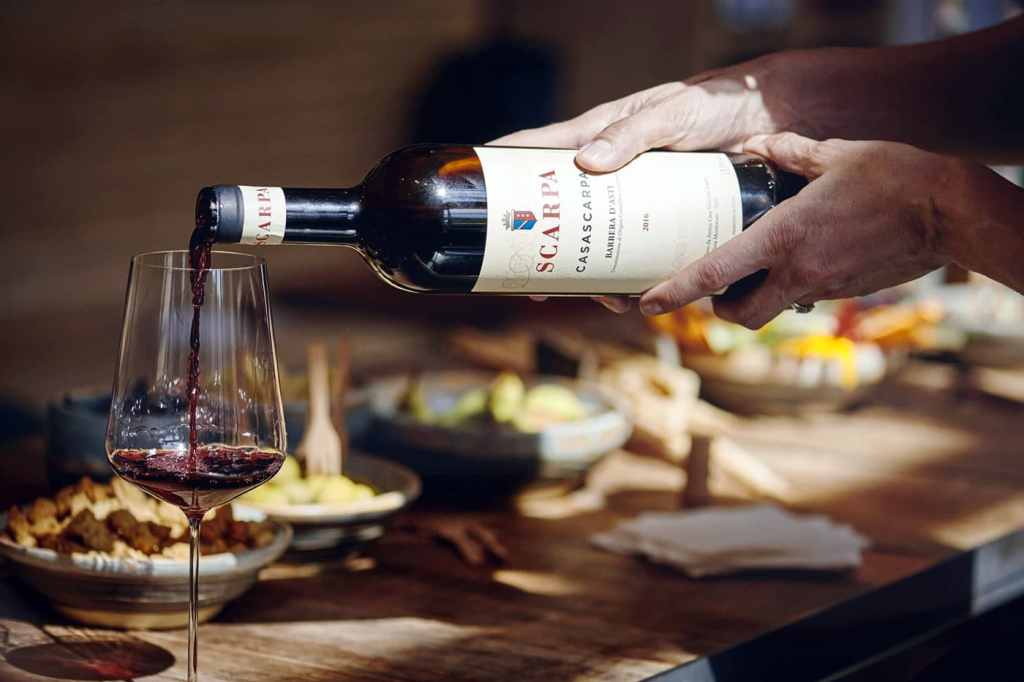
Founded in the 1850s, Scarpa is one of Piedmont’s oldest wineries, located in the nearby Monferrato region. Its historic cellars house an impressive collection of older vintages, including Barolo, Barbaresco and Barbera d’Asti, alongside lesser-known local wines like Ruché and Freisa. The winery also offers accommodation at its vineyard villas. Appointments recommended.

Wine Tasting Tips
Unlike more hospitality-centered wine regions, Barbaresco and Barolo wineries usually accept visitors by appointment only. Book your visits well in advance, especially during the high season. In the Langhe area, production is limited—numbers vary from 10,000 to 150,000 bottles annually—so you should expect to pay a tasting fee. Some wineries will waive the fee with a minimum spend, but not all.
A winery visit in Barolo typically lasts from 1.5 to 3 hours, including a cellar tour and an extended tasting experience. Each visit is unique, highlighting different aspects of wine culture passed from generation to generation, so they can go over time. It’s best to book two, maximum of three visits in a day, so you have time to move around the rural region.
Because the draw to the area is the tannic, complex nebbiolo wines, try to work in some breaks so your palate isn’t shot early into the trip. Luckily, Piedmont’s whites and sparkling wines are plentiful, so these can help freshen up the palate. These include Alta Langa Metodo Classico wines, whites of Arneis, Timorasso, Gavi, and Moscato d’Asti.

Where to Eat
From artisan meats to cheeses and truffles, Piedmont’s fabled cuisine naturally compliments its rich, complex, and robust wines.
Ristorante Voglia di Vino
Just off Alba’s main pedestrian street, Ristorante Voglia di Vino is a tiny restaurant with just eight indoor tables. In the summer months, it offers al fresco dining in the city’s historic center. Don’t miss the traditional tajarin egg pasta noodles served with slow-cooked ragù.
Trattoria dai Bercau
Located in Barolo’s Verduno village, Trattoria dai Bercau offers authentic, rustic Piemontese cooking at its best. A great kid-friendly location with an outdoor playground, it offers plenty of indoor seating and a fantastic outdoor space for spring and summer. The wine list is epic and you never know what local winemaker will be at the table next to you. Reservations recommended.
Ristorante Marc Lanteri
If you’re looking for fine dining with a French flare, check out Ristorante Marc Lanteri helmed by a longtime Michelin-star chef. Here, Lanteri incorporates his native French roots into his menu of traditional Piedmont dishes. Enjoy a selection of tasting menus with pairing options or a la carte dining. Reservations required.


